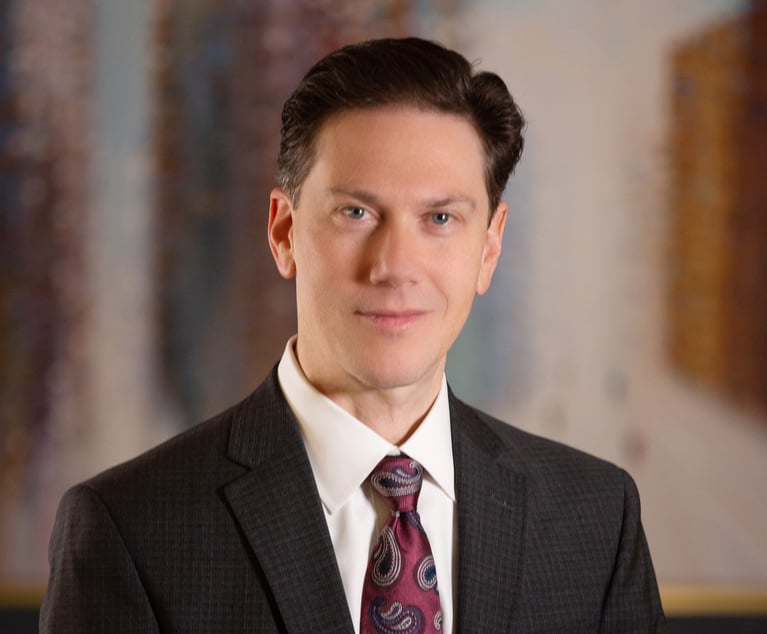
San Francisco Public Defender Jeff Adachi now says the ramifications of the evidence-tampering scandal at the San Francisco crime lab could touch 30,000 to 40,000 narcotics cases going back eight years.
At a news conference Wednesday, Adachi also called out San Francisco District Attorney Kamala Harris, saying he had repeatedly requested to meet with her since news of the crime lab problems broke, but that he's been told she's not available or is out of town and may be available to talk in May.
"We need a district attorney who's going to give this issue the attention it deserves," he said.
A spokeswoman for Harris said she was in meetings at the office Wednesday afternoon and would not be available to comment.
But Assistant District Attorney Brian Buckelew, a spokesman for the office, said the DA and Adachi have a meeting scheduled for next week, and that her office has been in communication with Adachi's office. "She's here, she's working hard on it with all of us, trying to sort this whole thing out."
The reach of the crime lab's problems is much broader than initially thought, Adachi said Wednesday.
In a letter earlier this week, Adachi told San Francisco Mayor Gavin Newsom that former crime lab employee Deborah Madden had either tested drug evidence or supervised other technicians testing evidence in 30,000 narcotics cases since 2005.
Buckelew said Adachi's claim that tens of thousands of cases need reviewing was "hyperbolic" and that while there was "unfortunately" a widespread pattern of "low-level sloppiness" at the crime lab, he hasn't heard an argument as to why that could hurt defendants in these narcotics cases. "I don't see an articulated basis of prejudice for any defendants," Buckelew said.
A stack of documents dealing with the crime lab and police investigation of Madden were turned over to the defense Wednesday, a day after San Francisco Superior Court Judge Anne-Christine Massullo ordered the district attorney's office to share them.
According to one, a transcript from a Feb. 26 police interview with Madden, when she was asked about "missing amounts" of drug evidence in some cases she told inspectors, "I think you'll see discrepancy in a lot of different cases."
She also told them she'd seen drug evidence weights being off "tons of times" and that she had seen discrepancies as big as a gram, according to the transcript. When one inspector asked her why the discrepancies were never reported, she said "we just kinda just laughed at it."
Madden denied taking cocaine from evidence, but said "if some fell on the counter or something and it was sitting there afterwards, I may have taken that."
Adachi said the interview indicates that the crime lab's problems go far beyond Madden alone.
"I can see now why the district attorney's office didn't want this statement to be public," he said.
At the news conference, Adachi also revisited the question of Madden's 2008 misdemeanor domestic violence conviction in San Mateo County, which defense lawyers say they first learned about in news stories this year, despite the fact that Madden has testified as a witness for years.
"I find it hard to believe no [prosecutors] knew about this," Adachi said. "That place is like a bullet ricocheting around when there's a rumor at the Hall of Justice."
Massullo has asked the district attorney's office if there is a policy in place to determine whether police witnesses have convictions and to disclose that information.
Adachi this week requested approval from the mayor to hire two additional legal support staff, saying he needed help to tackle the "Herculean task" of reviewing the 30,000 cases cited in his letter.