Two isolated genes closely associated with breast and ovarian cancers are unpatentable, a federal judge ruled Monday.
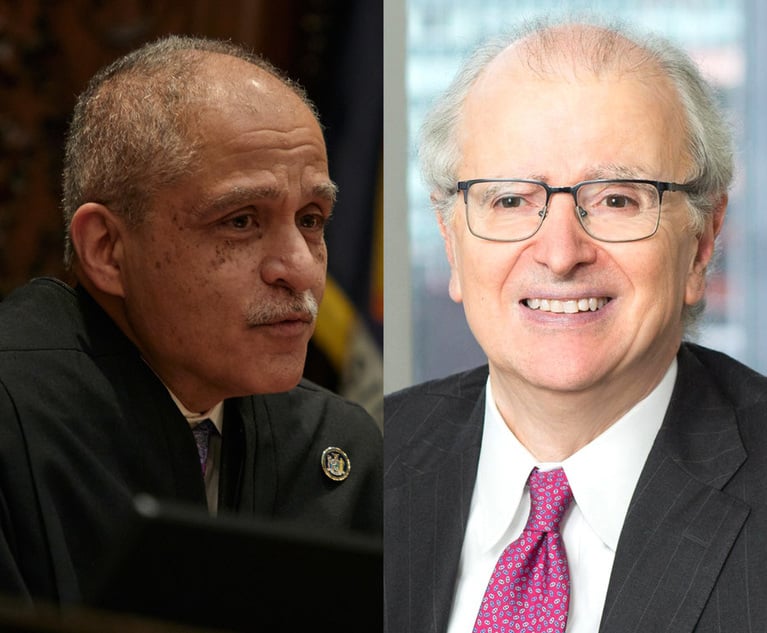
Southern District of New York Judge Robert W. Sweet decided that the two genes, once separated from the lengthy DNA sequence, cannot be considered sufficiently new and useful to be deemed patentable.
The judge's 152-page decision came in Association for Molecular Pathology v. U.S. Patent and Trademark Office, 09-civ-4515, a case closely watched by the medical community and cancer patients who argued that the two genes in dispute, BRCA1 and BRCA2, should not be patented and privately owned.
The U.S. Patent and Trademark Office has issued patents for more than 20 percent of the human genome, including genes associated with colon cancer, muscular dystrophy and Alzheimer's disease.
Through its seven patents, Myriad Genetics controls all testing related to BRCA1 and BRCA2. Researchers outside of Myriad are unable to develop new tests to detect cancer, the plaintiffs argued, and women cannot obtain a second opinion from non-Myriad facilities.
Myriad reportedly charges individuals more than $3,000 for personal genetic testing.
The present action sought among other things to have the BRCA patents declared invalid.
The case has become a lightning rod for the issue of genetic patenting, and multiple amicus briefs were filed on behalf of both sides.
The suit pitted six individual women, a number of medical associations and the Public Patent Foundation against Myriad, which leases the patents, the University of Utah Research Foundation, which owns the patents, and the patent office.
The plaintiffs sought to invalidate 15 claims contained in seven patents relating to the human breast cancer susceptibility genes BRCA1 and BRCA2 on the grounds that patents cannot be applied to rules of nature or natural phenomena or abstract ideas.
Judge Sweet was considering two types of patents, one based on the composition of isolated genes and a second for certain methods of testing the genes.
The judge said he was resolving the issue "based upon long recognized principles of molecular biology and genetics; DNA represents the physical embodiment of biological information, distinct in its essential characteristics from any other chemical found in nature."
He continued, "It is concluded that DNA's existence in an 'isolated' form alters neither this fundamental quality of DNA as it exists in the body nor the information it encodes. Therefore, the patents at issue directed to 'isolated DNA' containing sequences found in nature are unsustainable as a matter of law and are deemed unpatentable under 35 U.S.C. §101."
The judge also found that, "because the claimed comparisons of DNA sequences are abstract mental processes, they also constitute unpatentable subject matter under §101."
The ruling comes on the heels of oral arguments in February before Sweet.
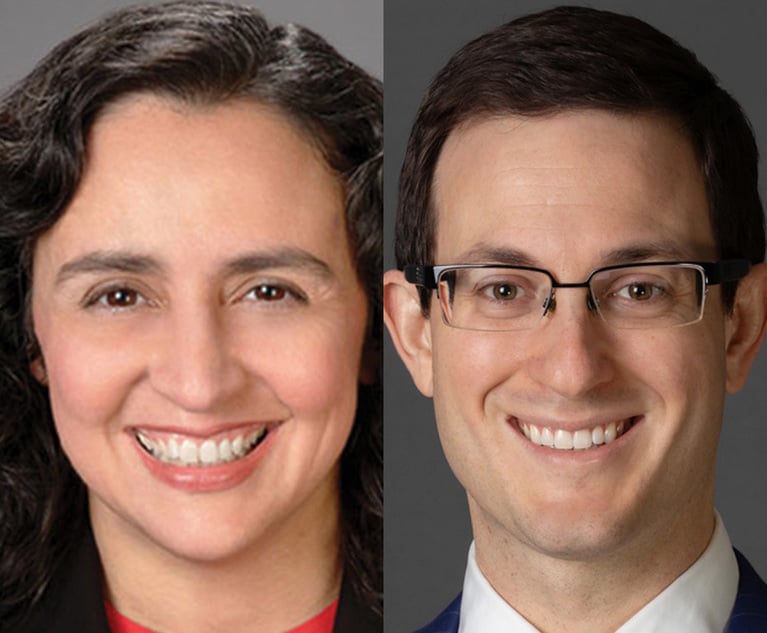
"They uncovered a law of nature. It is very much to their credit," Christopher A. Hansen, an attorney with the American Civil Liberties Union, told the judge at the hearing. "But uncovering a law of nature is not creating an invention."
But defendants' lawyer Brian M. Poissant of Jones Day argued at the hearing, "This is not nature's handiwork. This is an invention of man."
At the hearing, Poissant said that, once the gene is isolated, it is transformed chemically.
Myriad's "probes and primers are like guided missiles," he said. "They go along this very long strand of DNA and they know where to stop."
Hansen, commenting on Monday's ruling, said, "We think it's a very strong, positive advance for both women's health and science."
He added, "Assuming it holds up, it will allow women to be tested much more cheaply and frequently and it will free up researchers to do much more research on the genes."
Poissant declined to comment.