Font Size:
![]()
Specter Recommends Four Women Who Are Not Judges for High Court Nomination
The National Law Journal
May 21, 2009
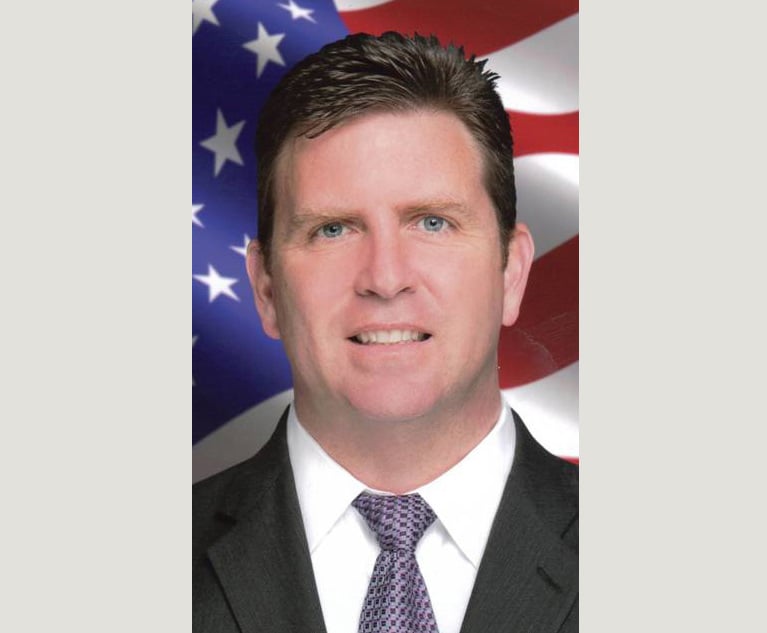
The former chairman of the Senate Judiciary Committee said Wednesday that President Barack Obama had asked him to name some possible successors to Justice David Souter on the Supreme Court. And Arlen Specter, D-Pa., said he has complied, though in speaking with reporters he would only hint at the people he suggested.
"I submitted four names -- all women, and none who owns a black robe," Specter said after a speech to the American Law Institute at Washington's Mayflower Hotel.
He did not elaborate on whom he recommended. There are three female non-judges among those reported to be on Obama's short list: Michigan Gov. Jennifer Granholm, Solicitor General Elena Kagan and Homeland Security Secretary Janet Napolitano.
Specter said he expects to be very involved in the Senate confirmation process for Obama's choice, despite losing his seniority on the Judiciary Committee after he switched to the Democratic Party a month ago. Under the rules by which senators question a witness, Specter could be the last member of the committee to face off with the nominee.
"I didn't have a prominent role when I questioned Judge Bork, and I was noticed. I didn't have a prominent role when I questioned Professor Hill, and I was noticed," Specter said, referring to his opposition to Robert Bork's failed nomination to the Supreme Court in 1987 and his questioning of Anita Hill during the hearing for Justice Clarence Thomas in 1991.
Specter's comments to the American Law Institute focused on the expansion of executive power during the Bush administration. He said he plans to question the Supreme Court nominee about executive power, including the role of presidential signing statements and the power of Congress to compel the Supreme Court to decide an unsettled legal question.
"I think it is a fair question to ask: What cases will be heard?" he said. As one example, he said the Court could have assumed a larger role in the debate over telecommunications companies' cooperation in intelligence gathering.
Specter added that Congress does not always have the ability on its own to stand up to a president. "We really have to have the courts arbitrate these disputes," he said.
This article first appeared on The BLT: The Blog of Legal Times.