News

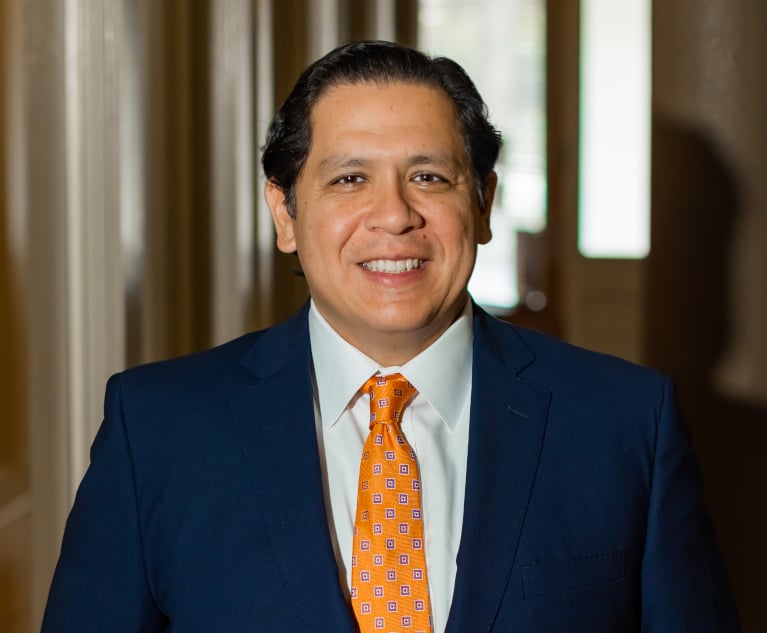
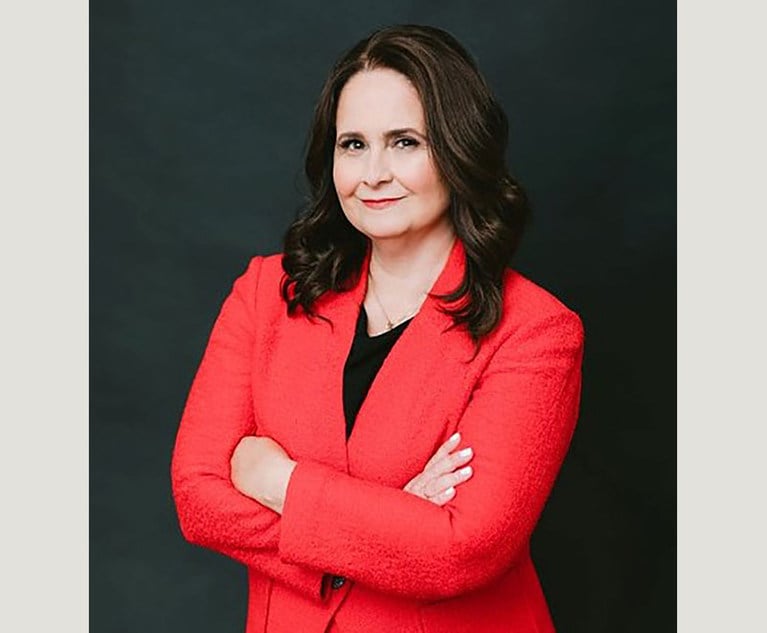
Paul Yetter, partner in Yetter, Warden & Coleman

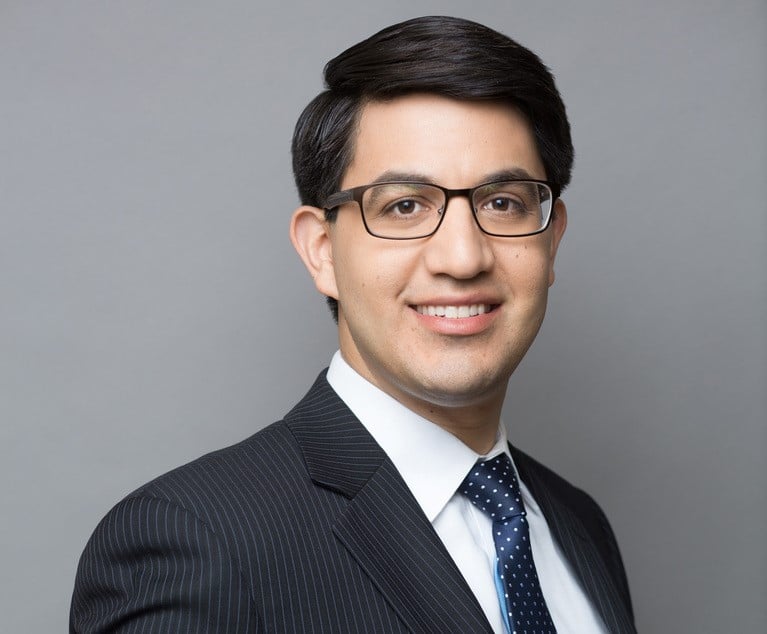
Martin Rose, partner in Rose Walker, Dallas

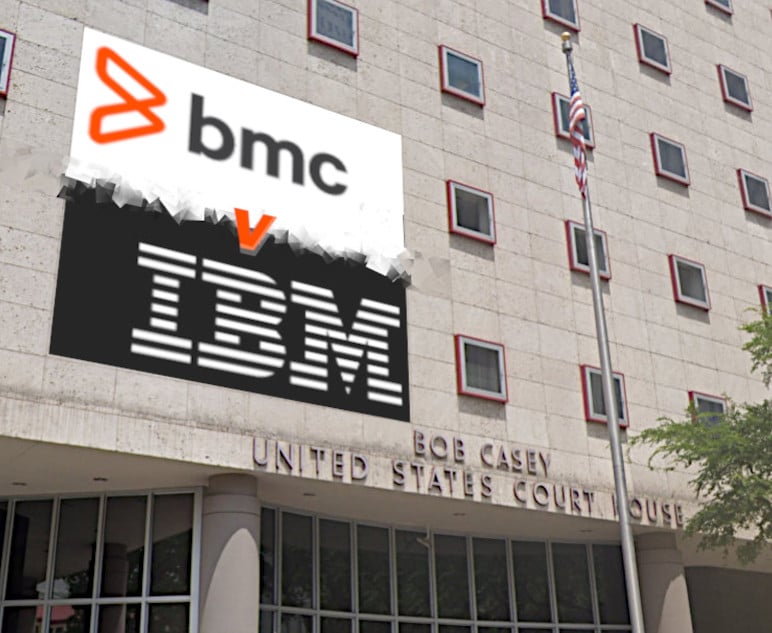
McAfee Loses Fee Fight With WilmerHale in Eastern District

The Recorder

July 28, 2008


A multimillion-dollar fee fight between anti-virus software maker McAfee Inc. and white-shoe firm Wilmer, Cutler, Pickering, Hale and Dorr ended in a Texas courtroom on July 24.

McAfee, a Santa Clara, Calif., company, was embroiled with Wilmer, Cutler, Pickering, Hale and Dorr over $12 million in legal fees incurred in the trial of former McAfee Chief Financial Officer Prabhat Goyal. The company accused WilmerHale of fraud, theft, negligence and breach of fiduciary duty.

"[WilmerHale] intentionally overworked and churned the representation of Goyal; shamelessly employing over 100 WilmerHale timekeepers in the feeding frenzy," McAfee alleged in a complaint filed in the Eastern District of Texas earlier this year. "Defendant's bills reflect at least 16 partners, 34 associate attorneys, 10 legal assistants and 49 staff personnel - how else could they amass this enormous trove of cash?" the complaint read.

WilmerHale sought to dismiss the complaint, explaining in a statement issued June 21 that the suit is "no more than a pretext to avoid its advancement duties to Mr. Goyal."

In 2002, the U.S. Department of Justice began what would become a three-year investigation into McAfee's accounting practices, according to WilmerHale's motion to dismiss the suit. Goyal was charged with accounting fraud and convicted by a San Francisco jury in May 2007. In its latest motion to dismiss, filed July 17, WilmerHale noted that the case required the production and review of 1.2 million documents.

Martin Rose, a partner in Rose • Walker in Dallas who represents McAfee in the fee dispute, alleged in his last complaint that WilmerHale, which brought in East Coast lawyers to represent Goyal in a San Francisco trial, charged almost $200,000 in expenses for luxury hotel rooms, limousines and charges for room service and bar tabs. The software company described WilmerHale as "unrepentant in its greed."

Paul Yetter, the Houston lawyer representing WilmerHale in the fee dispute, wrote in a June 21 e-mail that "over 80 percent of the defense work was done by two lead WilmerHale partners and a handful of associates. The bulk of other timekeepers were needed for review of 1.2 million documents in the case."

He stated that the fees were in line with similar cases, including the backdating trial of Brocade Communications CEO Gregory Reyes.

Yetter, a partner in Yetter, Warden & Coleman, also provided a statement from WilmerHale at the time that said its fees "reflect legal services that were necessary and reasonable in a lengthy and complex matter encompassing five separate cases, particularly one in which Mr. Goyal's very liberty is at stake. Indeed, the California judge commended the firm's efforts as 'extremely well-tried.'"

But McAfee argued the case may have been too "well tried." In its complaint it claimed that an independent audit in December 2007 showed that WilmerHale had engaged in "a billing scheme which resulted in . . . overcharging" since February 2003. McAfee is seeking damages, attorney fees and up to $12 million in legal fees.

Back and Forth

WilmerHale argued that the suit was brought at the wrong time and in the wrong venue. The firm quoted McAfee as having said in a Delaware court that if Goyal's conviction is upheld on appeal, "he has to pay all those fees back, and it doesn't matter if they are reasonable or unreasonable." As a result, WilmerHale argued, the determination should be made at that point.

But Rose disagreed, saying before the July 24 hearing: "So, I catch a guy who's been coming to my jewelry store every day and takes a gold watch every night. I gotta wait until he cleans the store out before I sue him?"

WilmerHale's motion also repeatedly cited a 1996 indemnity agreement between McAfee and Goyal. The agreement, WilmerHale argued, shows that McAfee knew litigation could be costly. In it, McAfee acknowledged that "costs of litigation may be so enormous . . . that the defense . . . of such litigation is often beyond the personal resources of . . . officers."

WilmerHale said the dispute belongs in Delaware, pointing to a forum selection clause in the indemnity agreement mandating venue in Delaware "for all purposes in connection with any action or proceeding which arises out of or relates to this agreement."

Rose countered that the indemnity agreement applies to disputes between McAfee and Goyal, not the law firm brought in to represent him. "This lawsuit has nothing to do with the Delaware action or the indemnity agreement," he said.

On July 17, the day WilmerHale submitted a corrected motion to dismiss the suit, the judge in the case ordered McAfee to file a response no later than 5 p.m. July 22, which McAfee did.

McAfee argued in that response that its suit does not arise from the indemnity agreement and is not related to Delaware litigation between McAfee and Goyal; its claims are ripe; WilmerHale cannot enforce the indemnity agreement's forum selection clause, because WilmerHale is not a party to that agreement, and McAfee's claims do not arise out of the agreement; Goyal is not an indispensable party, so his joinder is not required; and McAfee's pleadings satisfy the Federal Rules of Civil Procedure and do not merit dismissal.

Before the hearing, Rose argued that the dispute should be heard in Texas. "They submitted all their bills to us in Plano, Texas, and we paid them in Plano, Texas. The whole dispute is in Plano, Texas, and it wouldn't belong anywhere else, in our judgment," he says.

But at an hour-and-a-half long scheduling conference on July 24, Schneider sided with WilmerHale, dismissing the case under Federal Rule of Civil Procedure 12(b)(6) for failure to state a claim. In the alternative, he found the matter is not ripe, the forum selection clause applies, venue is improper, and Goyal is an indispensable party. The order will become final once he enters a written order, according to a minute entry on PACER, the federal courts' online case and docket information service.

"I know the firm, my client, would be happy to be quoted to say we're gratified with the judge's ruling," says Yetter in an interview after the hearing. He adds that Goyal's defense in California now can go forward without the risk of disruption presented by the litigation.

Rose says he and his client have not decided whether they will appeal.

The battle may not be over. Rose says, "The court believed the case should go to Delaware."

Niraj Chokshi is a reporter at The Recorder, a San Francisco affiliate of Texas Lawyer in which a version of this article originally appeared. His e-mail address is niraj.chokshi@incisivemedia.com. Texas Lawyer managing editor Anne K. McMillan contributed to this article. Her e-mail address is anne.mcmillan@incisivemedia.com.


advertisement