After being hit with a $290 million trial loss last year, Microsoft Corp. and decorated patent lawyer Matthew Powers went into the same Texas courtroom with the same judge, against the same Dallas lawyer -- and lost again.
The jury concluded late Tuesday that Microsoft willfully infringed on patents held by VirnetX, and awarded the Scotts Valley, Calif., technology licensing company $105.8 million. The company, which had been asking for $242 million, will now seek an injunction.
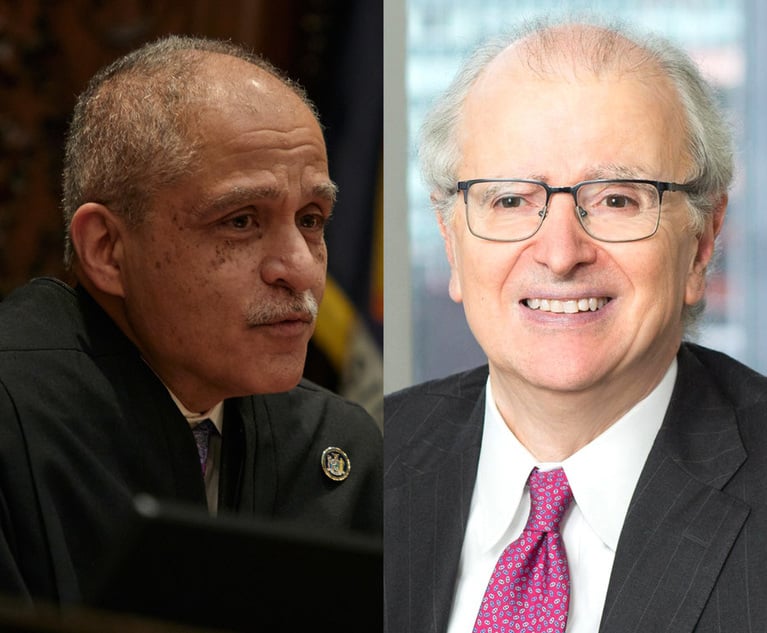
The trial pitted Powers, a Weil, Gotshal & Manges partner in Redwood Shores, Calif., who's often considered to be one of the country's top patent lawyers, against Douglas Cawley of Dallas' McKool Smith. The two have shown contrasting styles, according to lawyers who have faced them: A tall Texan, Cawley speaks slowly with a slight twang and comes off as a gentleman. Powers has an erudite and sometimes imperious style.
In their last meeting in May, Cawley came out on top, winning $290 million in damages for i4i Inc., a small Canadian software company. Cawley also won an injunction that bars Microsoft from selling certain versions of Microsoft Word 2007.
After that trial, one juror told the Prior Art Blog that while both lawyers "seemed really intelligent," the jury thought Cawley "much more genuine and sincere." Meanwhile, Powers "came across as being cocky, and kind of always on the defensive about everything."
Powers also rubbed Eastern District of Texas Judge Leonard Davis the wrong way in the i4i case. In tacking on an extra $40 million to the $200 million jury verdict and interest, Davis cited Powers' "improper arguments." In Microsoft's unsuccessful appeal, Powers leveled pointed criticisms of Davis.
Back in the same setting over the last two weeks, Cawley said the atmosphere was "cordial" in the courtroom. Cawley said Powers did not use the same tack that upset Davis in the last case, when the Weil lawyer cast i4i as a patent troll and likened the company to a bank seeking a bailout.
"Microsoft did not make the same kind of arguments that they made in i4i," said Cawley.
VirnetX is a 12-man operation that gets most of its revenue from licensing its intellectual property. It filed suit against Microsoft in 2007 for allegedly infringing on two patents related to secure communications on computer networks.
Cawley told the jury how the inventors were military men "who had a vision of the importance of Internet security for the future," he said. One of Cawley's key witnesses was Edmund "Gif" Munger, the VirnetX chief technology officer, who graduated from the Naval Academy and worked for the FBI.
Powers, who is co-chair of Weil's litigation department, did openings, closings and most of the crosses. He did not return a call seeking comment.
In a prepared statement, Microsoft spokesman Kevin Kutz said, "We believe the award of damages is legally and factually unsupported, so we will ask the court to overturn the verdict."
Before the i4i case, both Powers and Microsoft had found success in the Eastern District of Texas, which is perceived as more plaintiff-friendly than other venues. Powers and Microsoft won a big jury trial against patent licensing company Acacia Research in 2007, a time when even fewer defendants prevailed in Texas. Last year, represented by Fish & Richardson, Microsoft won a case on summary judgment against Fenner Investments.