Anti-corruption enforcement is bulking up. Already the acknowledged leader in global enforcement, the Department of Justice unit that prosecutes Foreign Corrupt Practices Act cases will soon grow "substantially," according to the lawyer who runs it.
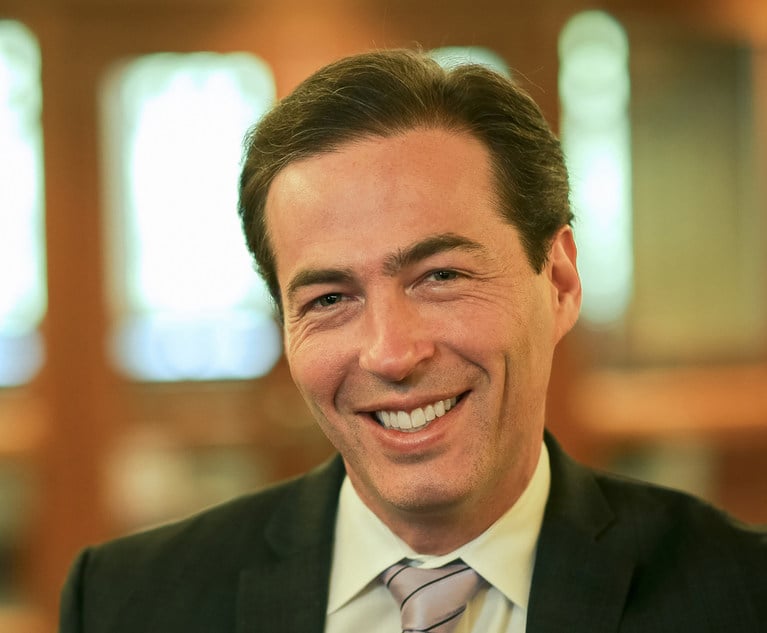
Mark Mendelsohn, deputy chief of the fraud section's criminal division, said his section "may grow as much as 50 percent in size in the next year or two." At the same time, he added, he expects companies to play an increasingly aggressive role in thwarting corruption.
"Companies -- individually and collectively and in collaboration with countries -- need to adopt stricter standards," Mendelsohn told a gathering of compliance professionals Wednesday morning at the Global Ethics Summit 2010 in New York City.
Companies will soon have help on that front. The Organisation for Economic Co-operation and Development (OECD) will be publishing best practices guidelines that, unlike those promulgated by the U.S. Sentencing Commission, are specifically tailored to these kinds of cases, and will arrive with the endorsement of the U.S. government, Mendelsohn said.
Yet, at least some of these developments are likely to land after Mendelsohn, who has been a federal prosecutor for nearly 12 years, is gone. He referred obliquely to his pending departure, which Corporate Counsel sister publication The National Law Journal reported in October. He did not say when he expected to leave.
Mendelsohn began the morning reviewing recent enforcement trends. The big one was the jump in the prosecution of individuals, he told the conference, which was sponsored by the Ethisphere Institute and Dow Jones. The number last year was 44 -- up from nine in 2008, 10 in 2007, and six in 2006. When the Justice Department goes after corruption, it isn't myopically focused only on FCPA violations. It's used money laundering, wire fraud and antitrust laws, among others, Mendelsohn noted. "They're all tools to be used against corruption."
He also spoke of increased cooperation with other countries.
"I don't want to overstate this," he said. "I think the progress is modest and mixed. But there have been pockets." He called the collaboration between U.S. and German authorities in the case against Siemens "the high water mark."
He sounded positive about a bribery bill in the U.K. that is widely expected to become law in the coming months. But he reserved his strongest language for the importance of this work to the United States. It even has an impact on the war effort, he observed.
"Corruption is a national security issue," he said, "and an impediment to stability in places like Iraq and Afghanistan."
Related stories:
'Very Low Cost': How to Tighten the Belt ... and Keep Up Compliance
In the 'Era When Business Is Evil,' GCs Say Don't Get 'Overconfident'