Arguably one of the most transcendent performers in the history of music, the late Michael Jackson also had his fair share of legal troubles during his lifetime.
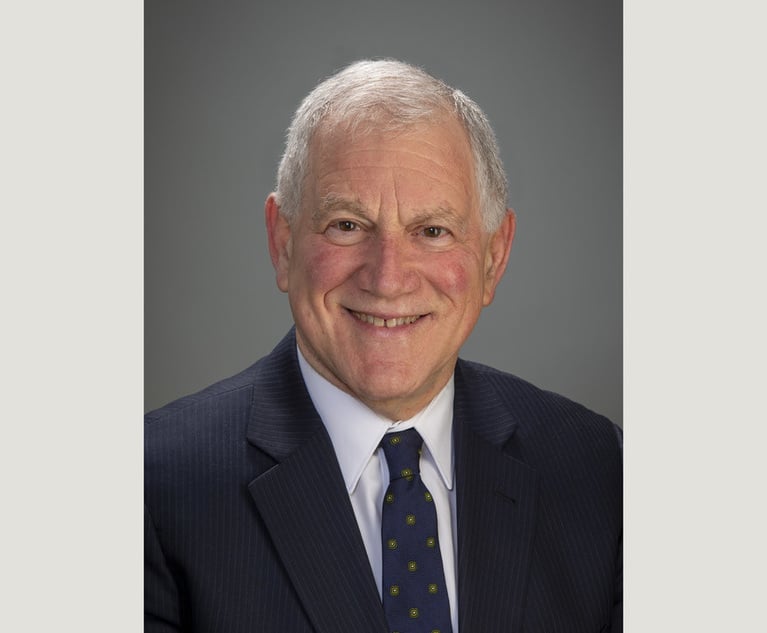
One of Jackson's many lawyers, noted New York criminal defense lawyer Benjamin Brafman, spoke with CNN's Anderson Cooper Thursday night about his time representing the King of Pop on charges he sexually molested a teenage boy. (A Southern California jury acquitted Jackson of those charges four years ago this month.)
Brafman joined Jackson's legal team in January 2004 on the advice of legendary Los Angeles lawyer Johnnie Cochran and the pop prince's lead lawyer at the time, litigator-to-the-stars Mark Geragos, who was busy preparing for the upcoming murder trial of another client, Scott Peterson.
After agreeing to take the case, Brafman told Cooper's "360" program that Cochran told him to take it easy on Jackson because he had the mentality of a "45-year-old, 12-year-old." Recalling his first interview with his client, Brafman said he waited two hours to see Jackson at a Beverly Hills mansion he was renting.
Jackson soon emerged in one his trademark outfits: clad completely in black except for a pair of white socks. The singer's "naiveté" about the legal process shocked Brafman, who told Cooper he was even more surprised when Jackson collapsed onto his shoulder and began "sobbing hysterically" after the blunt New York lawyer informed him of the seriousness of the molestation charges. When Brafman put his hand on Jackson's back to console him, all he felt was bones.
"I remember telling [Geragos], 'I think we can win this case, but the question is whether Michael Jackson can live through this ordeal,'" Brafman said in the CNN interview. In the time he spent with his client over the next three months -- Jackson hired Thomas Mesereau in April 2004 and fired Brafman and Geragos for not giving him enough "attention" -- Brafman said he developed a "sense of foreboding that [Jackson] wouldn't live to be an old man ... I was frightened for him."
But Brafman's time with Jackson did expose him to another side of the reclusive musician that the public didn't often get to see. Brafman told Cooper that Jackson had a "sweet side" and was a "doting father" to his children.
While Jackson tried to limit his interaction with adults in favor of spending time with children, Brafman said the singer was surrounded by sophisticated "layers of management" that handled fee requests and other business transactions.
Sadly, Brafman said he wasn't "certain how many people around [Jackson] had his best interests at heart." Most of Jackson's best business decisions, such as purchasing The Beatles catalog in 1984, were made earlier in his career. (Brafman told Cooper that the estimated $500 million catalog was "mortgaged to the hilt" by the debt-saddled pop star; Jackson reportedly was hoping to pay off much of his $400 million in debt with the proceeds from a planned comeback tour scheduled to kick off in London in July.)
And despite a sizable entourage, Brafman called Jackson "one of the loneliest people I've ever met."
In the end, Brafman said he will remember Jackson for his larger-than-life persona and legions of loyal fans. The lawyer told CNN's Cooper about leaving the courthouse in Santa Maria, Calif., after Jackson pleaded not guilty to the molestation charges in 2004. Outside was an SUV waiting to whisk Jackson back to his Neverland estate, but he surprised onlookers by climbing atop the van and doing a quick dance in front of the cheering crowd.
A young girl walked up to Brafman and asked him if he'd ever touched Jackson's hand. He said yes. The girl promptly fainted.
This article first appeared on The Am Law Daily blog on AmericanLawyer.com.