In April 2005, Balram Maharaj, a naturalized American citizen, was kidnapped at gunpoint from a bar in his native Trinidad. His captors demanded $500,000 for his release. After a week cut off from his daily medicines, Maharaj, who had diabetes and had recently suffered a stroke, died. The 61-year-old's body was cut apart and buried.
But he was not forgotten. Four years after his death, Maharaj's case has become one of the largest, most complex examples of a little-discussed specialty of the U.S. Attorney's Office for the District of Columbia: prosecuting those who take Americans hostage overseas for ransom.
Since 2000, the U.S. attorney's office has brought eight criminal hostage-taking cases -- that is, kidnappings with no link to terrorism. None of the other cases have involved more than four defendants. In most, the victim survived to identify his captors. In some, suspects were caught with the victim or fleeing from police.
The Maharaj case is different. The FBI's investigation dragged on for nine months before an arrest was made. Prosecutors spent more than two years extraditing the suspects. Seven alleged co-conspirators go on trial in the U.S. District Court for the District of Columbia this week. Four more have pleaded guilty. One has been acquitted. One still sits in jail in Trinidad. And the victim is dead.
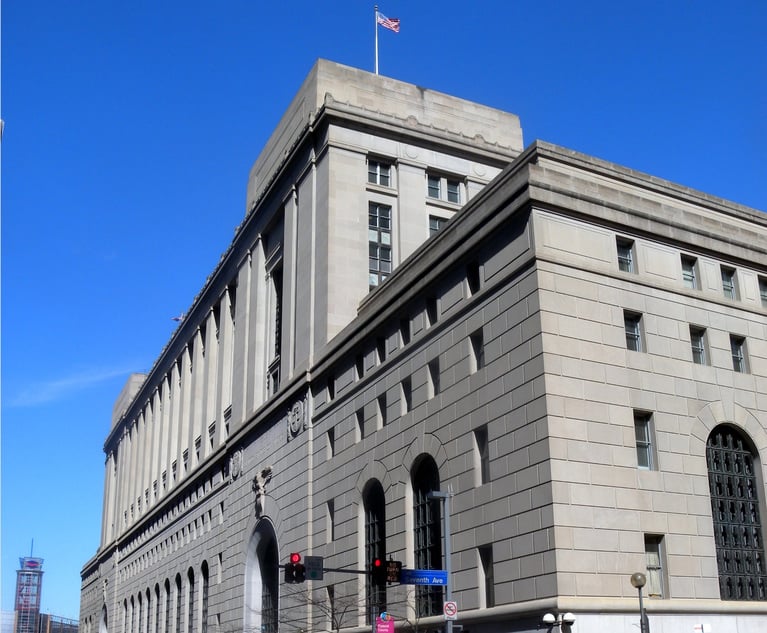
The prosecutors come from the federal major crimes section of the U.S. attorney's office in Washington, which handles international crimes not related to terrorism. (Cases with a terrorist link are prosecuted by the national security section.) Federal law provides that crimes against Americans overseas should be prosecuted in the District when the suspect has no ties to any state.
"If you're going to take our citizens hostage, if you're going to abuse them or kill them, we have an interest in that, no matter where in the world you do it," said Patricia Stewart, chief of the federal major crimes section.
A VERY BAD BREAKUP
According to prosecutors, who laid out their version of events in the first trial, the plot to kidnap Maharaj was hatched by his former lover, Doreen Alexander. The two had met in Trinidad in 1999. At the time, Maharaj, a resident of Mount Vernon, N.Y., was a frequent visitor to the island. He had reportedly won a $4.2 million personal injury settlement the previous year.
Although Alexander and Maharaj split up after only four months, they had a child, and Maharaj continued to visit Trinidad. Several years later, Alexander decided to get money from him by kidnapping him for ransom. (Trinidad had been hit by a wave of such kidnappings.) She allegedly reached out to Anderson Straker, the son of a local parliament member, who helped recruit others, including members of the Trinidad & Tobago armed forces.
On April 6, 2005, Maharaj was snatched. The crime caught the attention of the Trinidad police and press, and, by April 10, a team of three FBI agents had arrived to monitor and assist in the case. The kidnappers contacted Maharaj's relatives in Trinidad seeking $500,000. But he died before any money was paid, and his body wasn't found until January 2006.
The big break in the case came earlier. In October 2005, Trinidad police learned that David Suchit, a friend of Straker's, had called a crime tip line about the case. Beginning in January 2006, police arrested 13 people, including Suchit. Twelve were extradited to the United States, the exception being Alexander. (The U.S. attorney's office declined to say why she remains in Trinidad.)
According to Gregg Maisel, acting chief of the national security section, federal prosecutors approach all hostage cases assuming they will try to bring the accused to the United States for trial.
Washington solo practitioner Edward Sussman, who represented Straker earlier in the Maharaj case, sees a less sweeping strategy at work. "I suspect, if an American citizen was kidnapped in France, we would let the French authorities take care of it," he said. "In countries where the system of justice is somewhat suspect, the U.S. decides to extradite the suspects."
All eight criminal hostage-taking cases prosecuted since 2000 involved crimes in either Haiti or Trinidad. Prosecutors have gone after those cases even when the victim's U.S. citizenship was little more than an accident. Arlington, Va., solo practitioner Elita Amato has defended suspects in two cases involving young girls, 9 and 10, who were abducted in Haiti. Both victims had been raised there. "These girls were Haitian," Amato said. "They just happened to be born in the United States."
Prosecutors pursued both cases aggressively. In one, the suspects were already in jail in Haiti when U.S. authorities asked to have them extradited. Ultimately, defendants pleaded guilty in both cases.
So far, both the prosecution, led by Assistant U.S. Attorney Bruce Hegyi, and the defense have scored victories in the Maharaj case. Suchit was acquitted after U.S. District Judge John Bates granted the defense motion to separate his case from the larger prosecution because Suchit was accused of playing such a small role. But four other kidnappers have pleaded guilty to the hostage-taking. Jury selection in the trial of the seven other defendants begins on May 18 before Bates.