A San Francisco law banning the sale of tobacco products in pharmacies, possibly the first of its kind in the country, will go into effect today after surviving an attempt by Walgreens to halt it.
The Deerfield, Ill., company had sought a preliminary injunction Tuesday in Superior Court, arguing that its suit challenging the law is likely to succeed and that its stores would suffer millions of dollars in lost revenue in the meantime.
But Judge Peter Busch ruled in favor of the city, saying that Walgreens had not met its burden. He said Walgreens has "some very difficult hurdles to get over" because precedent instructs judges to give deference to the decisions of lawmakers so long as their laws are "reasonably related to a rational purpose."
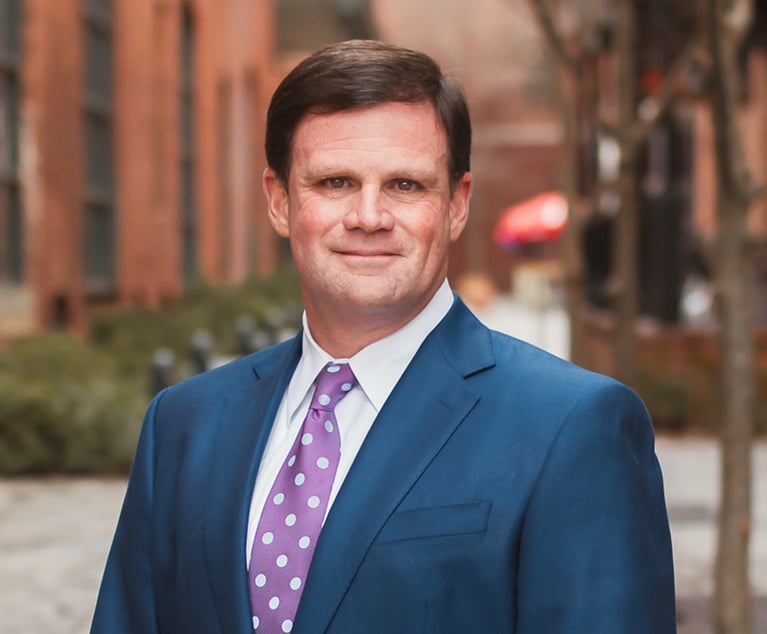
During the hearing, Walgreens attorney Daniel Kolkey sought to cut away at the city's argument that "health-promoting businesses" send an implicit message that smoking is acceptable if they sell tobacco products.
Kolkey, a San Francisco partner at Gibson, Dunn & Crutcher, pointed out that stores exempted from the law, like Safeway, also have pharmacies that sell prescription drugs.
But Busch seemed swayed by research that indicates Walgreens earns significantly more of its revenue from prescription drug sales than either Safeway or Costco. In an annual company report published in 2007, Walgreens reported that roughly 65 percent of its retail sales revenue came from prescription drugs, as opposed to 7.5 percent at Safeway and 1.5 percent at Costco, according to the text of the San Francisco ordinance.
The city has pointed to that disparity as the reason for exempting big-box and grocery stores, and Busch said the data appeared to give the Board of Supervisors a "rational basis" for narrowing the tobacco prohibition to just pharmacies.
But Kolkey argued that the distinction between pharmacies and other kinds of stores was an arbitrary one. Walgreens' own research shows the company's San Francisco locations earn roughly 48 percent of their sales revenue from non-pharmacy purchases, he said in an interview.
"There is no evidence in the record that suggests that a Walgreens pharmacy is more health-promoting than a pharmacy at any other establishment," Kolkey said.
After the hearing, Deputy City Attorney Vince Chhabria said San Francisco's legal fight with Walgreens is "part of the government's long-term and multi-pronged battle" to send the message, particularly to teenagers, that smoking is harmful.
Kolkey said he will appeal Busch's decision as he continues to litigate the suit.
In his motion for a preliminary injunction, Kolkey wrote that Walgreens operates 52 stores in San Francisco and will lose $9 million annually under the tobacco prohibition. Walgreens also stands to lose "customer goodwill," he wrote.
But Kolkey said he is confident that the law will ultimately be struck down for violating the equal protection guarantees of the 14th Amendment.
"The bottom line is that the city cannot discriminate between businesses," he said.
The law passed through the county board of supervisors and was signed by Mayor Gavin Newsom on Aug. 7. On Sept. 8, Walgreens sued, seeking a ruling that would declare the ban unconstitutional.
Chhabria said that other cities, including Boston, are working on similar ordinances, but that San Francisco is the first to implement such a law.
That claim has attracted nationwide media attention, and Chhabria said he's "hopeful" that other cities will follow San Francisco's lead.