The Federal Communications Commission's policy banning even a single "patently offensive" expletive and other profanity on television and radio violates the First Amendment, the 2nd U.S. Circuit Court of Appeals ruled Tuesday.
A three-judge panel said the FCC will have to go back to the drawing board if it wants a profanity policy that will survive scrutiny because the current policy is "unconstitutionally vague" and creates a "chilling effect that goes far beyond the fleeting expletives at issue here."
The ruling came in Fox Television Stations Inc. v. FCC, 06-1760-ag, a case where the FCC was forced to defend a 2004 policy in which the agency increased enforcement efforts against profanity that included swear words uttered at the Billboard Music Awards by Cher in 2002 and Nicole Richie in 2003. The stepped-up enforcement was triggered in part by complaints after the 2003 Golden Globes Awards, where U2 lead singer Bono said while accepting an award, "this is really, really fucking brilliant. Really, really, great."
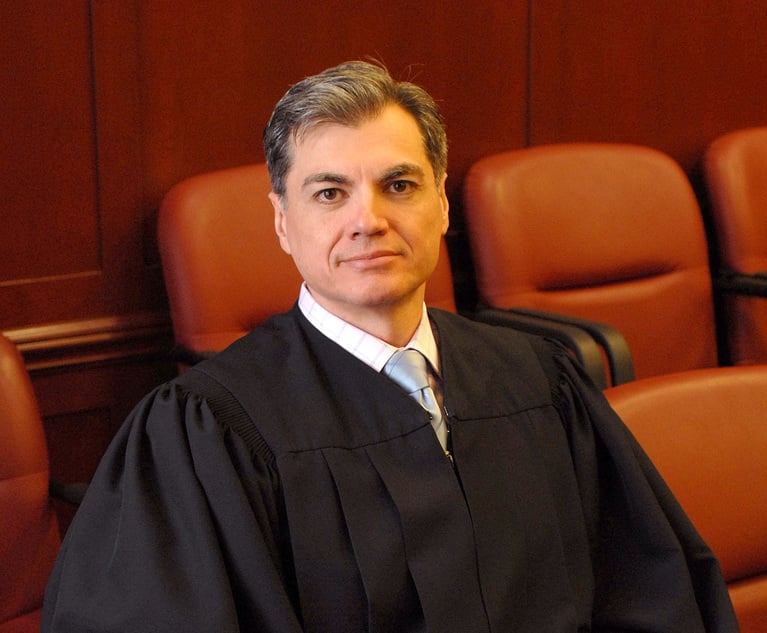
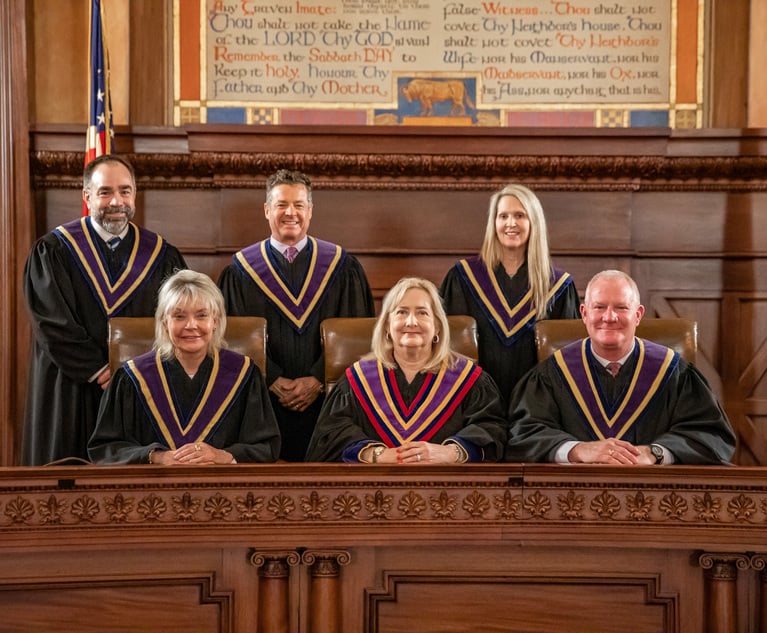
Judges Pierre N. Leval, Rosemary S. Pooler and Peter W. Hall decided the appeal. Writing for the court, Pooler noted that the increased FCC scrutiny under the Bush administration came after a long "restrained enforcement period," in the wake of the U.S. Supreme Court's decision in FCC v. Pacifica Foundation, 438 U.S. 726 (1978).
Pacifica dealt with the FCC's authority to regulate what it said was "indecent" speech, a 12-minute stream of expletives in a radio broadcast of a monologue by comedian George Carlin.
The FCC imposed only $440,000 in fines in 2003, but in 2004, when it issued its "Golden Globes Order," the commission sought $8 million in sanctions.
NBC Universal Inc. and other parties filed petitions for reconsideration of the Golden Globes Order, but while the petitions were pending, the FCC issued another order in 2006 finding as indecent and profane the comments by Cher and Richie as well as the use of the curses on episodes of ABC's "NYPD Blue" and CBS's "The Early Show," respectively.
While the FCC later reversed itself on "The Early Show" and dismissed the "NYPD Blue" complaint on procedural grounds, the commission stuck by its findings on the Billboard Music Awards.
Fox and several other media organizations filed petitions for review with the 2nd Circuit.
The 2nd Circuit heard oral argument in 2006 and issued a decision six months later finding that the FCC policy was arbitrary and capricious under the Administrative Procedures Act. The court, in a split decision with Judge Leval in the minority, 489 F. 3d 444, declined to address the constitutional issues presented.
The U.S. Supreme Court reversed by a vote of 5-4, saying the commission "could reasonably conclude that the pervasiveness of foul language, and the coarsening of public entertainment in other media such as cable, justify more stringent regulation of broadcast programs so as to give conscientious parents a relatively safe haven for their children." FCC v. Fox Television Stations Inc., 129 S. CT. 1800 (2009).
The high court, however, declined to address the constitutional issues and the case headed back to the 2nd Circuit, where oral argument was heard in January.
This time, it was clear the circuit panel had concerns about vagueness.
Judge Leval asked FCC Associate General Counsel Jacob Lewis during arguments whether he, as a broadcaster, could do a show on preserving virginity until marriage that included explicit references to sex, and Lewis responded, "I suspect you can."
"You suspect I can?" Leval said. "That's not very reassuring. You suspect I can!"
Tuesday all three judges agreed that the policy, and not just the proposed fines in the Billboard cases, had to go.
"By prohibiting all 'patently offensive" references to sex, sexual organs, and excretion without giving adequate guidance as to what 'patently offensive' means, the FCC effectively chills speech, because broadcasters have no way of knowing what the FCC will find offensive," Judge Pooler wrote.
Pooler said the court was not intending "to suggest that the FCC could not create a constitutional policy" and was only holding that the current policy "fails constitutional scrutiny."
Carter Phillips of Sidley Austin, who represented Fox, said the court went further than he anticipated. "It's broader than I frankly expected it to be," Phillips said. "I thought the court was going to strike down the fleeting expletives part but it went further and declared the entire policy vague. It puts the FCC back to square one."
FCC Chairman Julius Genachowski issued a statement saying, "We're reviewing the court's decision in light of our commitment to protect children, empower parents, and uphold the First Amendment."