California's Supreme Court dived into the growing pool of state worker furlough litigation Thursday when it reopened a challenge brought by attorneys employed by the State Compensation Insurance Fund.
In March, the 1st District ruled in CASE v. Schwarzenegger, 10 C.D.O.S. 3475, that Gov. Arnold Schwarzenegger did not have the authority to order 500 SCIF attorneys in 2009 to take two unpaid days each month because state law expressly protects the fund's employees from "staff cutbacks."
The governor did not appeal the ruling, and the state has since paid SCIF attorneys back wages and interest, said Patrick Whalen, general counsel for the union California Attorneys, Administrative Law Judges and Hearing Officers in State Employment.
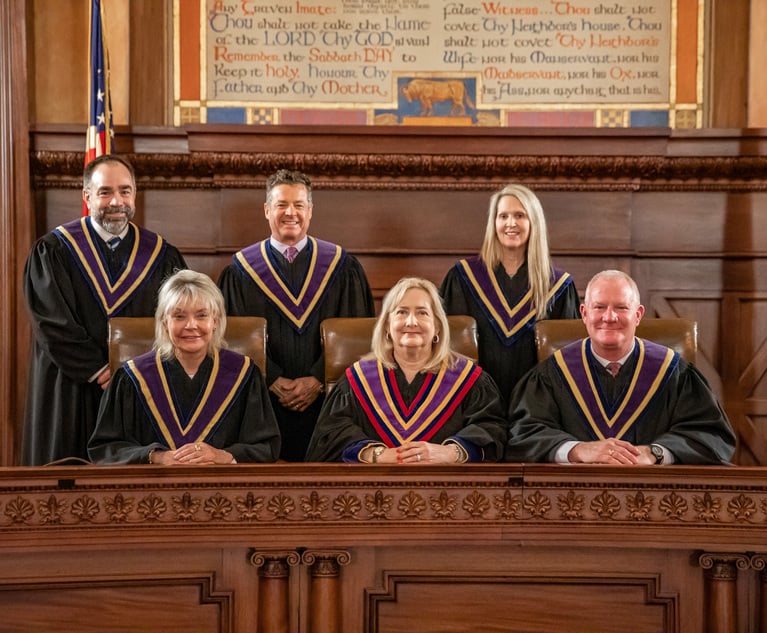
On Thursday, the Supreme Court justices said they would review the case along "with possible consideration of similar issues" in other pending furlough litigation.
The decision stands in contrast to the court's April 22 order rejecting without comment Schwarzenegger's request to consolidate seven different furlough lawsuits -- not including the SCIF attorneys' litigation -- and to freeze others awaiting trial court decisions.
Whalen was still reviewing the court's order Thursday but called the turn of events "extraordinary." The CASE lawsuit addresses different issues than the other two dozen complaints filed by furloughed state workers, he said.
"I don't see how our briefs can address those issues," Whalen said.
The court's order follows an unusual chain of events involving the governor and the chief justice over the last month. On May 11, after the deadline for the governor to file a petition for review had passed, an attorney for the governor hand-delivered a letter to the state Supreme Court letter to the state Supreme Court (.pdf), asking it to grant review on its own motion.
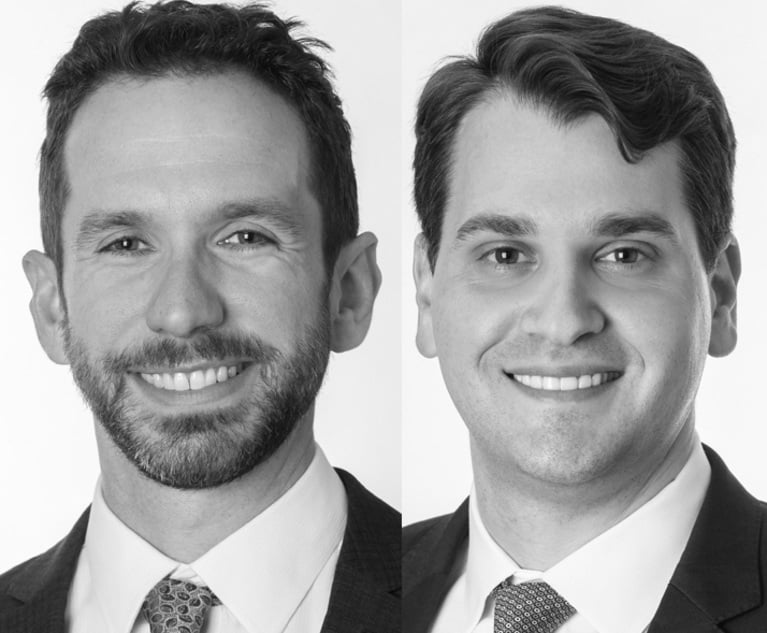
"This is an issue of statewide importance because it involves novel questions of executive authority that will affect current and future administrations and will impact the entirety of the state workforce," wrote David Tyra, a partner with the Sacramento firm of Kronick Moskovitz Tiedemann & Girard.
Supreme Court clerk Frederick "Fritz" Ohlrich said such requests from attorneys are "infrequent, but we do get some." He could not say how many because the court does not track them, Ohlrich said.
That same day, May 11, Chief Justice Ronald George extended the time to review the governor's request. He also met that afternoon with Schwarzenegger in the governor's Sacramento office to talk about the judicial branch budget. On May 14, the governor released his revised spending plan for the state, which restored $100 million in trial court funding that the chief justice had sought.
Schwarzenegger spokesman Aaron McLear said the May 11 meeting and action on the furlough lawsuit were "absolutely not" connected.
On May 12, CASE attorney Whalen wrote his own letter (.pdf) to the court, calling the governor's request a "de facto" but "defective" petition for review and asking that it be stricken. Whalen conceded this week that the letter had little practical effect other than lodging his clients' concerns.
McLear said the governor did not formally appeal the First District's decision because he was waiting to see what the Supreme Court did with his request to consolidate the furlough lawsuits. When that request was denied on April 22, that gave the governor and his attorneys six days to file a petition for review. They decided instead to ask the court to act on its own.
"There are two ways you can appeal," McLear said. "We chose this way."
Whalen called the tactic an improper "end run" around normal court rules.
"What that says to me is they absolutely did view that letter as a petition for review," he said.
The Supreme Court has set a speedy briefing schedule for the case. Schwarzenegger's filing is due by June 9.