Font Size:
![]()
O'Melveny & Myers Wins Dismissal of Remaining Claims for Disney in Pooh Copyright Suit
The American Lawyer
September 30, 2009
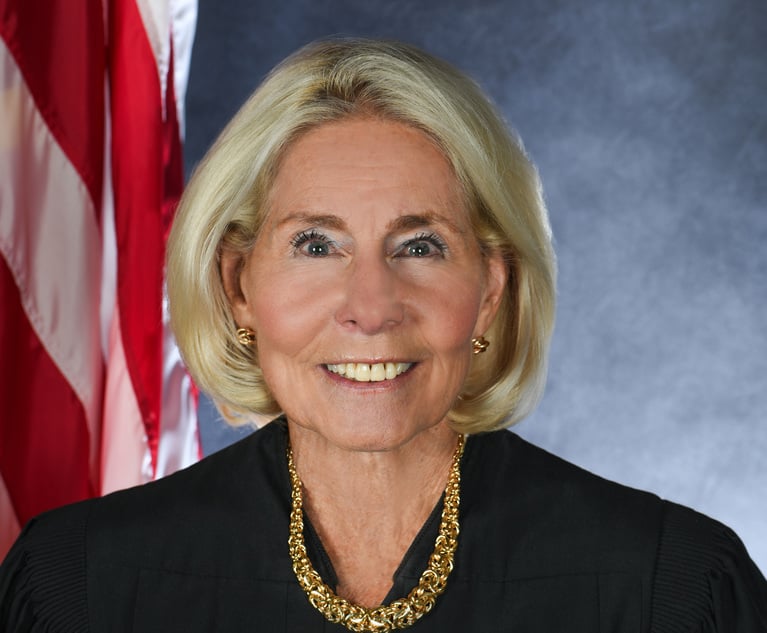
After 18 years of decidedly un-cuddly court battles, Walt Disney Co. and the estate of Winnie the Pooh licensee Stephen Slesinger are right back where they started. On Friday, Los Angeles federal district court Judge Florence-Marie Cooper granted Disney's motion to dismiss all of Stephen Slesinger Inc.'s remaining infringement claims, committing the parties to continue a business relationship that began in 1961 when Slesinger's widow transferred the Pooh rights to Disney in exchange for royalties. Here's a copy of the judge's order.
The Slesinger family -- which acquired merchandising rights to A.A. Milne's characters in 1930 -- first sued Disney in California state court in 1991 over allegations that the company hid the true value of its Pooh sales and skimped on royalties to the tune of $700 million. That fraud and breach of contract suit was dismissed in 2005, after a state court judge determined that a private investigator for the Slesingers improperly obtained evidence from Disney.
Disney, meanwhile, tried and failed to terminate SSI's Pooh rights in federal court. SSI filed counterclaims alleging trademark and copyright infringement in 2006, seeking $2 billion in damages and royalties. The fight pitted Disney's O'Melveny & Myers team, led by Daniel Petrocelli, against a group of lawyers including Harvey Saferstein and Andrew Skale of Mintz, Levin, Cohn, Ferris, Glovsky and Popeo, and Eric George and Peter Shimamoto of Browne Woods George.
Friday's order granting summary judgment to Disney brings the suits to a close and means Disney can continue to profit from the "silly old bear" and his friends (Pooh is reportedly the company's most lucrative character). But thanks to a 2007 decision cementing the validity of Slesinger's ownership rights, Disney will continue to pay royalties whenever the gang from the Hundred Acre Wood appears in movies and merchandise.
We tried to reach Petrocelli but his office referred us to Disney for comment (Disney, not surprisingly, was "pleased" with the decision). Mintz Levin's Skale told us that our impression that all that litigation brought the parties back to square one was basically correct. "Let me put it this way, nothing has changed because of this," he said.
This article first appeared on The Am Law Litigation Daily blog on AmericanLawyer.com.