A 9th Circuit panel on Friday denounced the federal government's post-9/11 practice of detaining innocent Americans under the federal material witness statute as "repugnant" and "a painful reminder of some of the most ignominious chapters of our national history."
In allowing Abdullah al-Kidd's lawsuit against former Attorney General John Ashcroft to proceed, the three-judge panel held (.pdf) that the Idaho man's Fourth Amendment rights were violated when he was arrested and imprisoned without charges for two weeks in 2003 and later restricted to Nevada and three other states.
Federal authorities said al-Kidd, an American citizen, had to be detained to provide information germane to the prosecution of fellow University of Idaho student Sami Omar Al-Hussayen on terrorism charges. But al-Kidd was never called to testify at Al-Hussayen's trial, leading al-Kidd to charge that federal authorities were more interested in investigating him than using him to build their legal case.
A jury later acquitted Al-Hussayen of four charges and deadlocked on eight others. He was deported to Saudi Arabia.
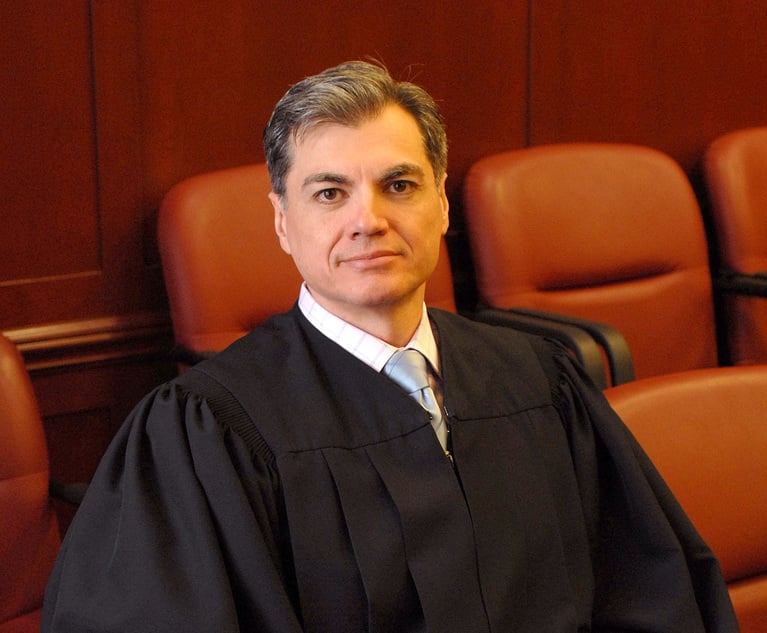
"We ... do not render the material witness statute 'entirely superfluous,'" Judge Milan Smith Jr. wrote. "It is only the misuse of the statute, resulting in the detention of a person without probable cause for purposes of criminal investigation, that is repugnant to the Fourth Amendment."
"It's an extremely significant decision both as to the 9/11 issues and because it rejected sweeping immunity arguments made by the attorney general that go well beyond the national security issues in the case," said Lee Gelernt, the deputy director of the American Civil Liberties Union's National Immigrants' Rights Project. Gelernt argued the case on al-Kidd's behalf.
Smith and Judge David Thompson ruled that Ashcroft does not enjoy prosecutorial immunity in the case. The majority did find, however, that Ashcroft cannot be held personally liable in al-Kidd's claims that he was imprisoned in unconstitutional conditions.
In a partial concurrence and partial dissent, Judge Carlos Bea said qualified immunity should shield Ashcroft from the lawsuit.
"For reasons of public policy, our law provides the prosecutor with official immunity -- perhaps not immunity from being fired, impeached, or hounded from public life, but immunity nonetheless -- from lawsuits for money damages based on the acts he undertakes on behalf of the public," Bea wrote.
Attorneys representing the Department of Justice did not return phone messages left Friday afternoon.
Born Lavoni Kidd, al-Kidd was a running back for the University of Idaho Vandals who converted to Islam and changed his name. On March 16, 2003, al-Kidd was arrested at Dulles International Airport in Washington, D.C., as he was preparing to travel to Saudi Arabia to study Arabic and Islamic law.
Federal authorities had submitted an affidavit seeking al-Kidd's arrest, citing his alleged connections with Al-Hussayen and claiming, incorrectly, that al-Kidd had purchased a one-way, first-class plane ticket to Saudi Arabia. Al-Kidd had actually purchased a round-trip coach ticket. The affidavit did not disclose that he, his wife, his parents and his two children were U.S. citizens, nor did it note that he had cooperated with the FBI previously.
After his detention, al-Kidd lost his job because he was denied security clearance, he said.