A federal appeals panel on Tuesday invited outside parties to weigh in regarding whether William Ruehle, the former chief financial officer of Broadcom Corp., should have assumed that statements he made to company lawyers during an internal investigation into stock options backdating were protected by the attorney-client privilege.
During oral arguments in the 9th Circuit's courthouse in Pasadena, Calif., a three-judge panel concluded that the issue was important enough to warrant additional input from parties including the American Bar Association.
"This case raises several major issues obviously that are fairly new in our law," Judge Ronald M. Gould said.
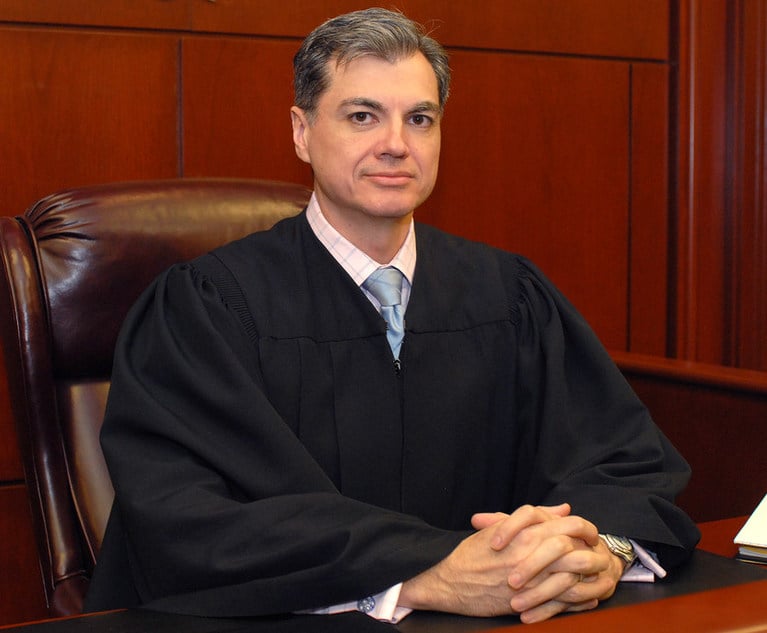
Los Angeles U.S. District Judge Cormac J. Carney ruled in April that Ruehle "reasonably believed" that his statements to Irell & Manella attorneys Ken Heitz and Dan Lefler were protected. Carney referred the law firm to the State Bar of California for possible disciplinary proceedings on the ground that the failure to warn Ruehle about a potential conflict of interest in representing both him and Broadcom rose to the level of "ethical misconduct."
The government appealed that ruling, and on Tuesday argued that the privilege didn't apply because Ruehle knew that Irell & Manella would turn over information from the 2006 meeting to outside auditors at Ernst & Young and eventually to company shareholders.
"When he sat at the meeting, he knew factual information was going to Ernst & Young," said U.S. Attorney Daniel B. Levin of Los Angeles.
In its briefs, the government argued that Carney applied the wrong legal standard. The controlling precedent, it argued, was In re Bevill, Bresler & Schulman Asset Management Corp., 805 F. 2d 120 (3d Cir. 1986), in which the 3d Circuit ruled that corporate officers cannot assert the attorney-client privilege as individuals after a corporation has waived its privilege.
"He is the CFO of the company," Levin told the 9th Circuit panel. "The company has to be able to talk to him in order for lawyers to do their jobs."
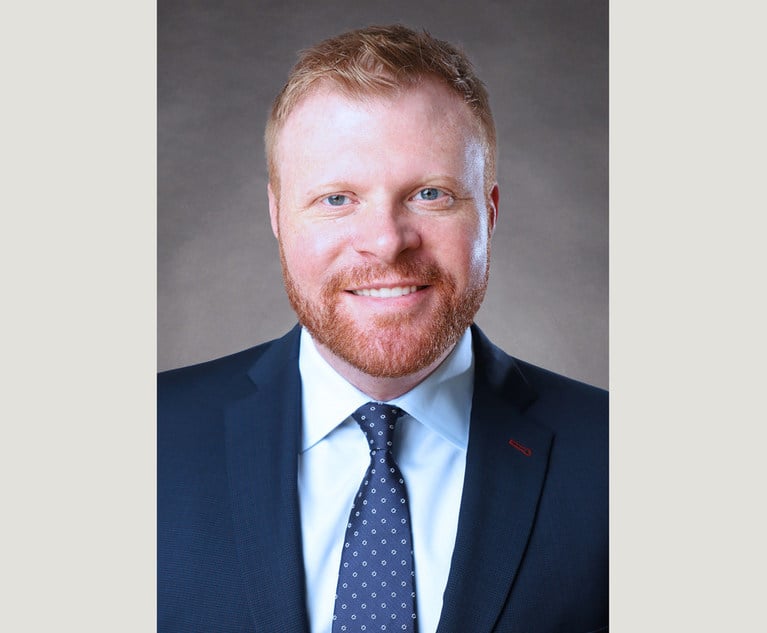
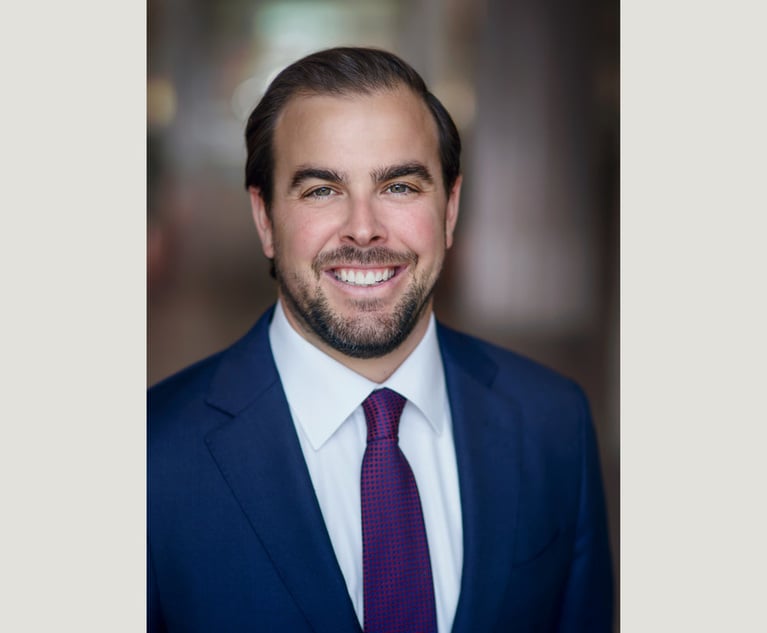
Ruehle's attorney -- Matthew D. Umhofer, an associate in the Los Angeles office of New York's Skadden, Arps, Slate, Meagher & Flom -- insisted that his client believed the Irell attorneys were meeting with him to discuss, at least in part, recent civil litigation related to stock options backdating that had been filed against him individually, and that some of the information he provided was confidential.
"The government should never have had this," he said of those confidential statements. "Right now, we're just trying to keep Ruehle's former attorneys from testifying against him at trial." Judge Raymond C. Fisher appeared unconvinced.
"He's not some hayseed who fell out of the pickup truck. He's the CFO," the judge said. "What did he think would come out of this meeting?"
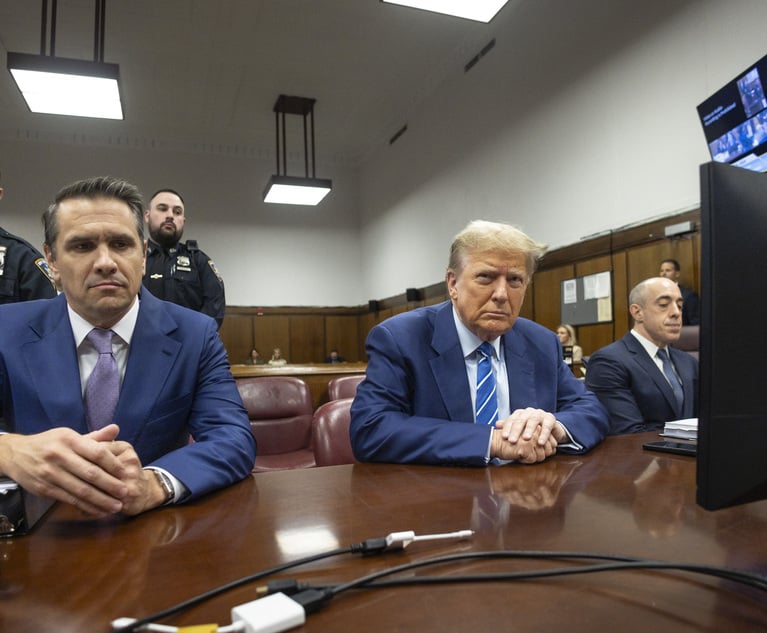
Ruehle and Henry Nicholas, co-founder and former chief executive of Broadcom, were indicted last year on charges including conspiracy and securities fraud related to the backdating of stock options. In 2007, Broadcom acknowledged the backdating and restated its earnings by more than $2.2 billion. Ruehle's trial is scheduled to begin on Oct. 20.
Broadcom co-founder Henry Samueli is due before the 9th Circuit today seeking to reinstate a plea deal that he reached with the government last year in the same stock options investigation. Carney said that the settlement agreement -- under which Samueli would serve five years' probation, pay a $250,00 fine and pay an additional $12 million to the federal treasury for giving false information to the Securities and Exchange Commission -- would give the impression that "justice is for sale," and rejected it.
Samueli and the government have filed their 9th Circuit briefs under seal, but oral arguments were scheduled to be open to the public.