Near the end of three hours of testimony ranging from matter-of-fact to jocular to nostalgic about his youthful enjoyment of music, defendant Joel Tenenbaum admitted liability for downloading and distributing the 30 copyrighted songs at issue in a federal copyright infringement trial in Boston.
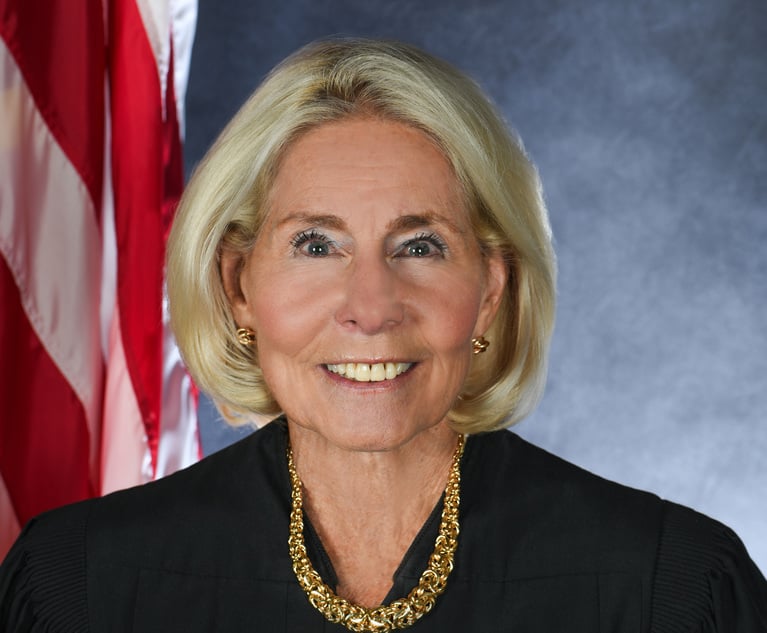
The admission prompted the lawyers representing the music industry to ask U.S. District Judge Nancy Gertner to issue a directed verdict -- a ruling in favor of the plaintiffs after they finish presenting their case -- said Cara Duckworth, a spokeswoman for the Recording Industry Association of America.
The plaintiffs asked for the verdict on the issue of ownership of the copyrighted material -- which the defense has already stipulated to, Duckworth said. "Gertner indicated she will rule in our favor on liability, given Joel's concessions today, but willfulness is still a little up in the air," Duckworth said.
If the judge issues a directed verdict, the jury will consider only damages.
Several record companies and the RIAA filed Capital Records Inc. v. Alaujan in the District of Massachusetts against college students for making illegal Internet music downloads.
The plaintiffs attorney, Timothy Reynolds, a partner at Denver-based Holme Roberts & Owen, ended his second round of questions with Tenenbaum's simple "yes" to the question about liability.
Tenenbaum then hedged a bit when his lawyer, Harvard Law School professor Charles Nesson, asked in the final round of questions if he believed he had done anything wrong. "It's part of the process of growing up and learning things," Tenenbaum said. "It's nothing I'd do now or have done in a while."
Tenenbaum, who said he minored in music while an undergraduate at Goucher College in Baltimore, also testified that his awareness that downloading and distributing copyrighted songs was illegal "was something that progressed" in his mind over time.
The lively session began with Nesson's objection to the plaintiffs' team's move to call Tenenbaum as a witness, instead of letting the defense present Tenenbaum's testimony.
Gertner's prior rulings denying Tenenbaum the fair use as a defense and rejecting his counterclaims have hindered his case. One counterclaim alleged that the record companies engaged in abuse of process by bringing the lawsuits against young people who lack the means to hire attorneys.
In the only music downloading copyright infringement case to reach the verdict stage, a Minnesota jury last month handed The Universal Music Group, which is owned by Vivendi, a $1.92 million verdict against Jammie Thomas-Rasset for 24 songs she posted on a Web site for others to download.
Reynolds began his questioning by asking Tanenbaum if he owned his Boston condominium with his mother. Tenenbaum asserted he didn't know. Reynolds produced the deed to prove the joint ownership, then launched into lengthy queries about Tenenbaum's downloading actions, his awareness of his college's policies restricting music downloading without permission and his inconsistent testimony during written discovery and in depositions.
Subscribe to The National Law Journal