Font Size:
![]()
Court: Attorney Reluctant to 'Front' $20,000 in Fees for Client Can't Withdraw
New York Law Journal
September 26, 2008
Declaring that seven years is long enough for a case to go to trial, a New York state judge denied an attorney's request to withdraw as counsel for a family in an impending wrongful death trial because the lawyer does not think it is his responsibility to be "fronting" $20,000 for expert witness fees.
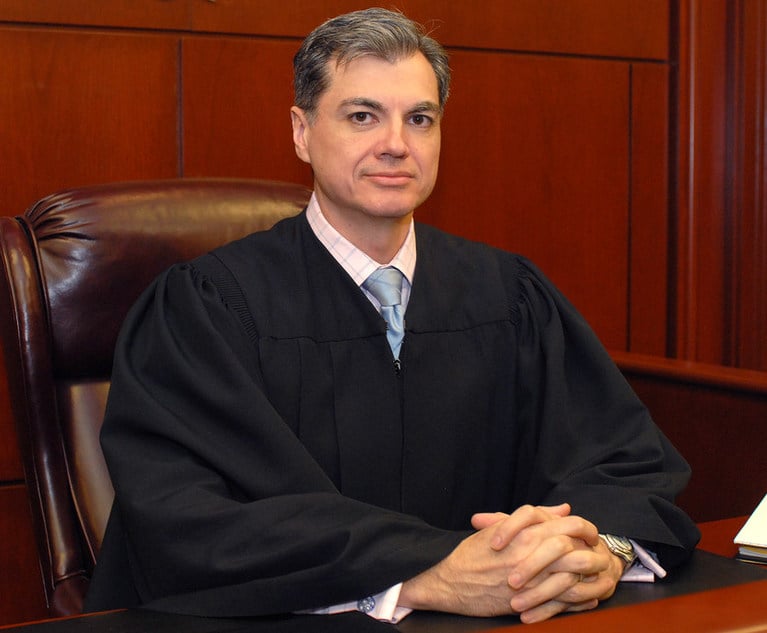
Court of Claims Judge Stephen J. Mignano has ruled that attorney Stephen R. Krawitz is misinterpreting the wording of his retainer agreement with the guardians of 7-year-old Kiana Wilson. Plaintiffs Cheryl Diane McCord and Frank McCord are suing the state for negligence in the girl's drowning death in 2001 at the Harriman State Park in New York's Orange and Rockland counties.
The McCords' retainer agreement provides that "the client shall reimburse the attorneys for all disbursements made in connection" with a claim, including "fees for doctors and other experts who may testify on your behalf in court."
Krawitz argued that the retainer means he is responsible for all expenses up to when a trial begins and his clients then pay for such things as fees for expert testimony.
But Mignano ruled that "reimburse" means Krawitz is obligated to cover the trial costs, to be paid back at the conclusion of the litigation.
"There is no other meaning of the word 'reimburse' and this is not a case where arguably ambiguous contract language requires analysis and interpretation by this court," the judge wrote in McCord v. The State of New York, 106136.
Krawitz's belief that the McCords would be unable to pay the experts' fees should there be no recovery from the state "does not constitute good cause" for allowing him to withdraw, Mignano concluded, citing the Code of Professional Responsibility DR 2-110(c)(1)(f) and New York State Bar Association's Ethics Opinion 93-653.
That section states a lawyer can withdraw from representing a client if a client "deliberately disregards an agreement or obligation to the lawyer as to expenses or fees."
That was not the case here, the judge said.
"It appears that movant agreed to represent claimants on the assumption that the case would be settled without requiring trial," the judge ruled from White Plains, N.Y. "However, in agreeing to represent claimants under the submitted retainer agreement, he assumed the risk that the case would not be settled and would have to be tried."
Krawitz, of New York City, called Mignano's ruling "ridiculous" and said he would appeal to the Appellate Division, 2nd Department.
"He is putting me in a financially untenable position and interposing himself in a contract issue that he has no business interposing himself in," Krawitz said Thursday in an interview.
Mignano set March 10, 2009, for the start of the trial.
The ruling effectively represents another delay in moving to trial a claim that was filed in May 2002.
A trial scheduled to begin in February 2008 had to be postponed last fall when the McCords' previous counsels, Marc F. Desiderio and Loel H. Seitel, pleaded guilty in Florida to charges stemming from a scheme to launder money from a marijuana distribution ring. Desiderio and Seitel, who had offices in Englewood Cliffs, N.J., and White Plains, were both sentenced to jail and had their New York law licenses suspended.
The scheduled Court of Claims trial was delayed from Feb. 13 to Sept. 16. Krawitz advised the court in June 2008 that he was now representing the McCords, but in August notified the court that he wanted to withdraw. Mignano then held a special hearing on Sept. 2 in White Plains to consider the request.
The judge said that allowing Krawitz to remove himself from the case this close to the new trial date would be unfair to the McCords, who objected to the attorney's motion to withdraw.
"Permitting counsel to withdraw at this stage of the litigation, where the note of issue has been filed for some time and two trial dates have already been adjourned due to problems caused by claimants' attorneys, would be severely prejudicial to claimants regardless of the ultimate result," Mignano wrote. "They are entitled to have this matter heard and seven years is long enough to wait for a disposition."
Krawitz told Mignano that he received the case file from Seitel in March or April 2008. He said he had been led to believe that Seitel had lined up experts whose opinions were persuasive enough that the state would be compelled to settle when Belinda A. Wagner, the assistant state attorney general, read them.
"I was given a sense from [Seitel] that all this information really just needed me to contact the experts and they'd send me the reports," Krawitz told Mignano during the Sept. 2 hearing. "And then sending them to Ms. Wagner would result in a miraculous resolution of this case."
As Mignano noted in his decision, "The 'miraculous resolution,' i.e., a settlement of the case, was not to be because defendant, as is its right, is not willing to settle."
Upon trying to find two experts, one on beach safety and the other on drowning deaths, Krawitz discovered that it would cost about $20,000 for their preliminary reports about the circumstances surrounding Kiana Wilson's death and to bring them to New York to testify at trial.
Krawitz told Mignano that he was not obligated to pay the money under his retainer and that the McCords do not have the resources to do so in the absence of a judgment in their favor.
"I talked to the McCords about this about a week ago advising them that I was not going to come up with this money myself and that if they wish to proceed, they could either decide to come up with the money on their own, or I would have to make a motion to be relieved as I was not going to be fronting this [sic] expert fees on their behalf and I was never advised that that would be the case," Krawitz explained to Mignano in an exchange the judge included in his ruling.
In weighing Krawitz's request, Mignano said any representations that Seitel made to Krawitz about the preparation of the case or the prospects of a settlement are "irrelevant."
"Counsel's obligations arise from the terms of his retainer agreement and from the Code of Professional Responsibility, not from his understanding of how the case would likely be resolved," the judge wrote.
Krawitz said Thursday that he has personally spent about $2,000 on the McCords' case and that "I am not going to outlay $20,000 to fund this case."
"I am basically [facing the prospect of] investing $20,000 without any expectation of a return or not knowing how this case is going to be adjudicated," he said. "My research shows that the statistics in the Court of Claims are quite skewed against [judgments in favor of] claimants."
Asked if he could present an effective case on behalf of the McCords if ordered to do so by the court, Krawitz suggested he might then argue that he cannot afford to pay for the expert witnesses up front.
Krawitz stressed that the McCords "are not bad people and I don't have anything negative to say about their case. But the fact I am compelled to have to pay money out of my pocket without the expectation of getting anything back is not what I signed on for."
Wagner, the assistant attorney general, took no position on Krawitz's motion to withdraw and did not object to the movement of the new trial date from September to March 2009.
Court of Claims Judge Stephen J. Mignano has ruled that attorney Stephen R. Krawitz is misinterpreting the wording of his retainer agreement with the guardians of 7-year-old Kiana Wilson. Plaintiffs Cheryl Diane McCord and Frank McCord are suing the state for negligence in the girl's drowning death in 2001 at the Harriman State Park in New York's Orange and Rockland counties.
The McCords' retainer agreement provides that "the client shall reimburse the attorneys for all disbursements made in connection" with a claim, including "fees for doctors and other experts who may testify on your behalf in court."
Krawitz argued that the retainer means he is responsible for all expenses up to when a trial begins and his clients then pay for such things as fees for expert testimony.
But Mignano ruled that "reimburse" means Krawitz is obligated to cover the trial costs, to be paid back at the conclusion of the litigation.
"There is no other meaning of the word 'reimburse' and this is not a case where arguably ambiguous contract language requires analysis and interpretation by this court," the judge wrote in McCord v. The State of New York, 106136.
Krawitz's belief that the McCords would be unable to pay the experts' fees should there be no recovery from the state "does not constitute good cause" for allowing him to withdraw, Mignano concluded, citing the Code of Professional Responsibility DR 2-110(c)(1)(f) and New York State Bar Association's Ethics Opinion 93-653.
That section states a lawyer can withdraw from representing a client if a client "deliberately disregards an agreement or obligation to the lawyer as to expenses or fees."
That was not the case here, the judge said.
"It appears that movant agreed to represent claimants on the assumption that the case would be settled without requiring trial," the judge ruled from White Plains, N.Y. "However, in agreeing to represent claimants under the submitted retainer agreement, he assumed the risk that the case would not be settled and would have to be tried."
Krawitz, of New York City, called Mignano's ruling "ridiculous" and said he would appeal to the Appellate Division, 2nd Department.
"He is putting me in a financially untenable position and interposing himself in a contract issue that he has no business interposing himself in," Krawitz said Thursday in an interview.
Mignano set March 10, 2009, for the start of the trial.
The ruling effectively represents another delay in moving to trial a claim that was filed in May 2002.
A trial scheduled to begin in February 2008 had to be postponed last fall when the McCords' previous counsels, Marc F. Desiderio and Loel H. Seitel, pleaded guilty in Florida to charges stemming from a scheme to launder money from a marijuana distribution ring. Desiderio and Seitel, who had offices in Englewood Cliffs, N.J., and White Plains, were both sentenced to jail and had their New York law licenses suspended.
The scheduled Court of Claims trial was delayed from Feb. 13 to Sept. 16. Krawitz advised the court in June 2008 that he was now representing the McCords, but in August notified the court that he wanted to withdraw. Mignano then held a special hearing on Sept. 2 in White Plains to consider the request.
The judge said that allowing Krawitz to remove himself from the case this close to the new trial date would be unfair to the McCords, who objected to the attorney's motion to withdraw.
"Permitting counsel to withdraw at this stage of the litigation, where the note of issue has been filed for some time and two trial dates have already been adjourned due to problems caused by claimants' attorneys, would be severely prejudicial to claimants regardless of the ultimate result," Mignano wrote. "They are entitled to have this matter heard and seven years is long enough to wait for a disposition."
Krawitz told Mignano that he received the case file from Seitel in March or April 2008. He said he had been led to believe that Seitel had lined up experts whose opinions were persuasive enough that the state would be compelled to settle when Belinda A. Wagner, the assistant state attorney general, read them.
"I was given a sense from [Seitel] that all this information really just needed me to contact the experts and they'd send me the reports," Krawitz told Mignano during the Sept. 2 hearing. "And then sending them to Ms. Wagner would result in a miraculous resolution of this case."
As Mignano noted in his decision, "The 'miraculous resolution,' i.e., a settlement of the case, was not to be because defendant, as is its right, is not willing to settle."
Upon trying to find two experts, one on beach safety and the other on drowning deaths, Krawitz discovered that it would cost about $20,000 for their preliminary reports about the circumstances surrounding Kiana Wilson's death and to bring them to New York to testify at trial.
Krawitz told Mignano that he was not obligated to pay the money under his retainer and that the McCords do not have the resources to do so in the absence of a judgment in their favor.
"I talked to the McCords about this about a week ago advising them that I was not going to come up with this money myself and that if they wish to proceed, they could either decide to come up with the money on their own, or I would have to make a motion to be relieved as I was not going to be fronting this [sic] expert fees on their behalf and I was never advised that that would be the case," Krawitz explained to Mignano in an exchange the judge included in his ruling.
In weighing Krawitz's request, Mignano said any representations that Seitel made to Krawitz about the preparation of the case or the prospects of a settlement are "irrelevant."
"Counsel's obligations arise from the terms of his retainer agreement and from the Code of Professional Responsibility, not from his understanding of how the case would likely be resolved," the judge wrote.
Krawitz said Thursday that he has personally spent about $2,000 on the McCords' case and that "I am not going to outlay $20,000 to fund this case."
"I am basically [facing the prospect of] investing $20,000 without any expectation of a return or not knowing how this case is going to be adjudicated," he said. "My research shows that the statistics in the Court of Claims are quite skewed against [judgments in favor of] claimants."
Asked if he could present an effective case on behalf of the McCords if ordered to do so by the court, Krawitz suggested he might then argue that he cannot afford to pay for the expert witnesses up front.
Krawitz stressed that the McCords "are not bad people and I don't have anything negative to say about their case. But the fact I am compelled to have to pay money out of my pocket without the expectation of getting anything back is not what I signed on for."
Wagner, the assistant attorney general, took no position on Krawitz's motion to withdraw and did not object to the movement of the new trial date from September to March 2009.